Страх появляется как легкий укол в глубине сознания, но стремительно выплывает на поверхность, превращаясь в мощный импульс. Страх разрастается и каждый раз грозит разорвать твою и без того потрепанную реальность, полную глобальных разломов, сдвигов и вывихов, анонимных систем контроля, старых, но живучих стереотипов. Страх может парализовать – исторгнуть тебя за пределы собственного тела, превратив нас в наблюдателя за самим собой, проживающего первобытные инстинктивные импульсы: бежать, притвориться мёртвым или ударить первым, – всё что угодно, лишь бы никто не увидел, что мы по-настоящему боимся.
Но всё же можно остановиться и, окружив себя многочисленными свидетелями, словно зеркалами, провести исследование, зафиксировав это ужасающее во всевозможных формах и проявлениях, обуздав их первобытную разрушающую природу.
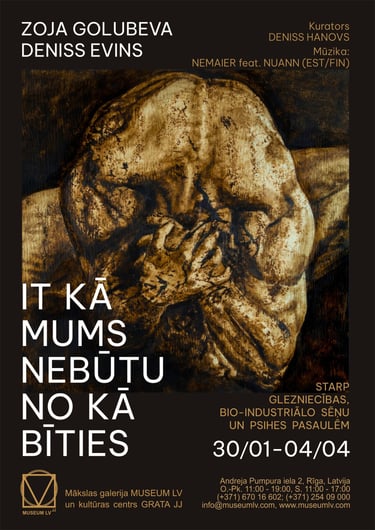
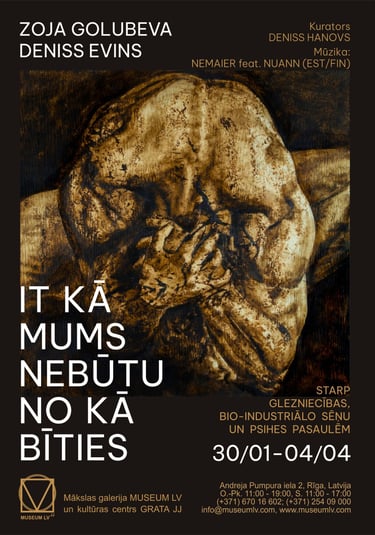
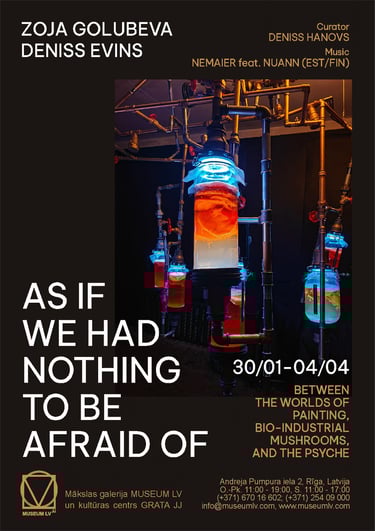
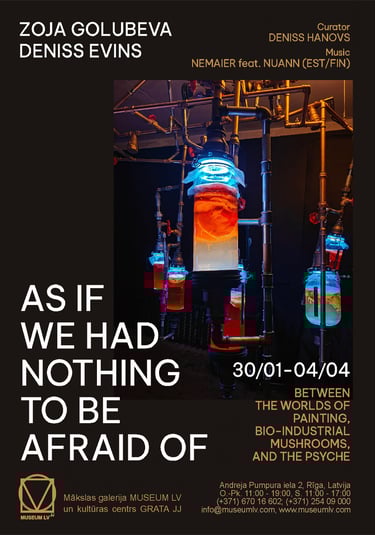
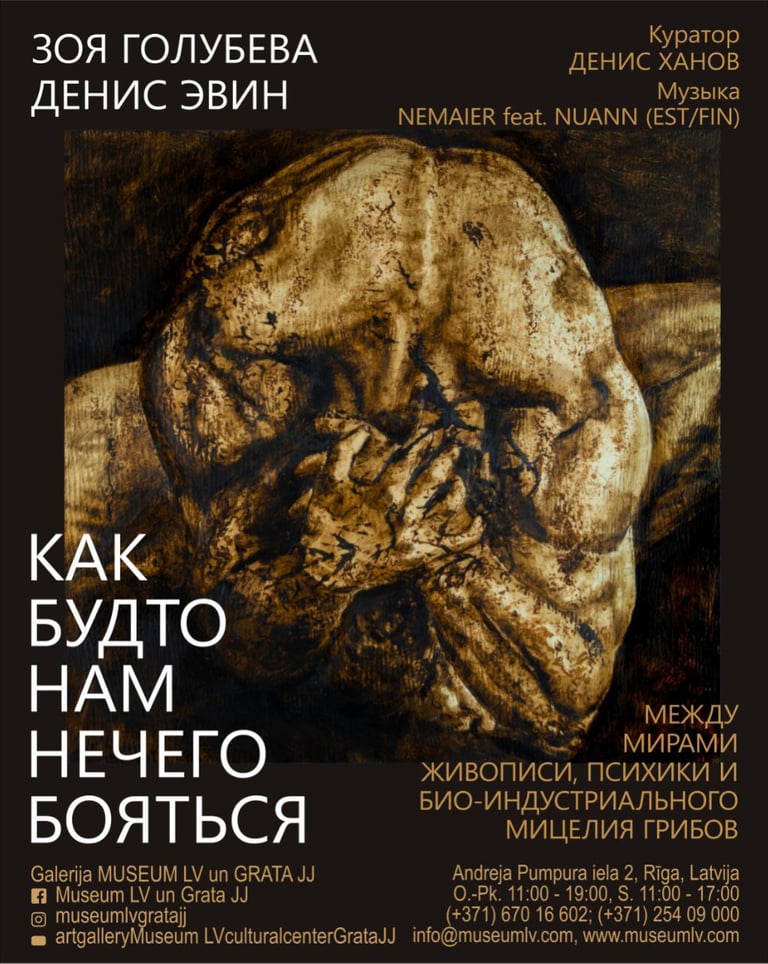
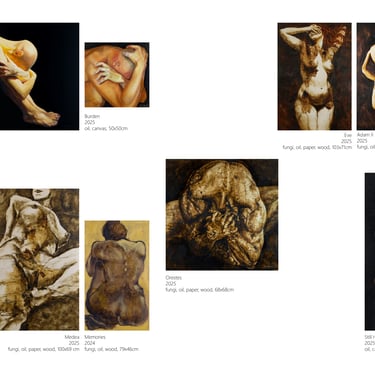
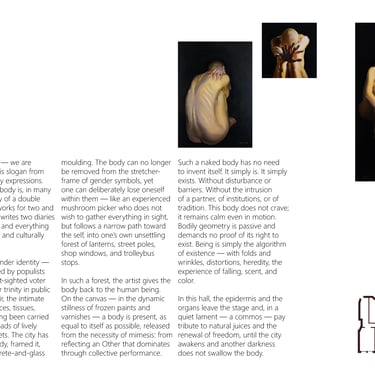
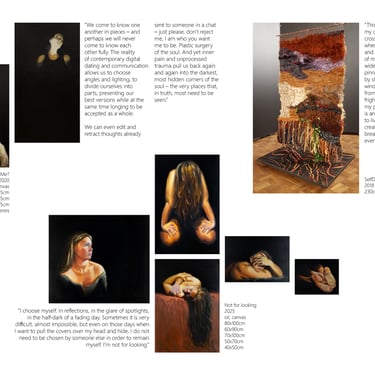
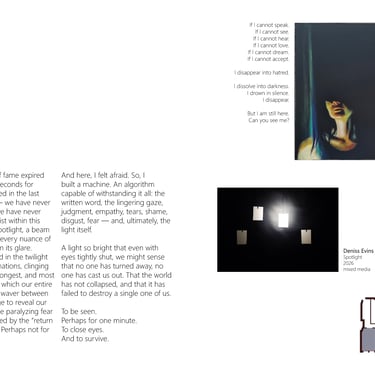
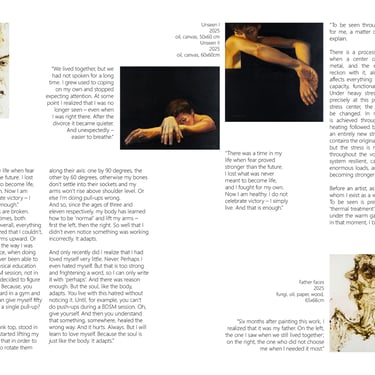
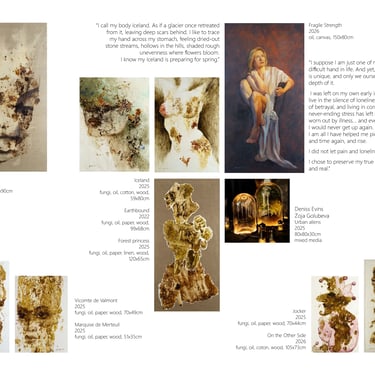
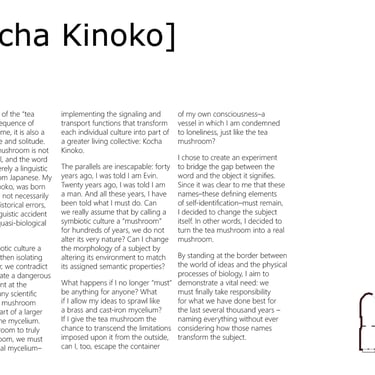
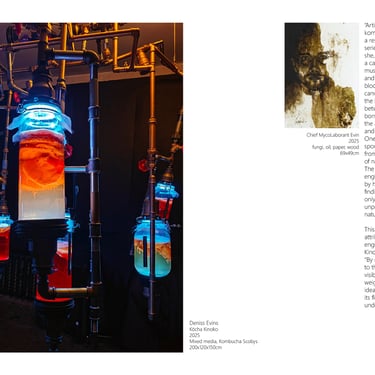
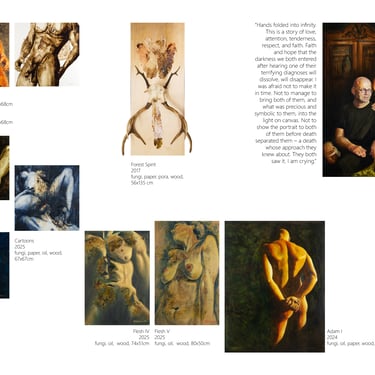
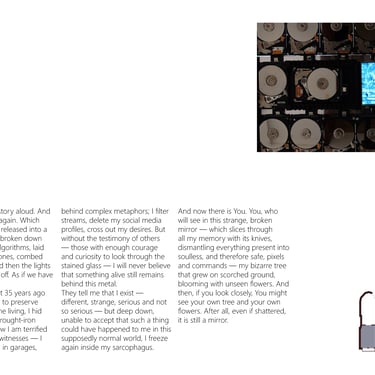
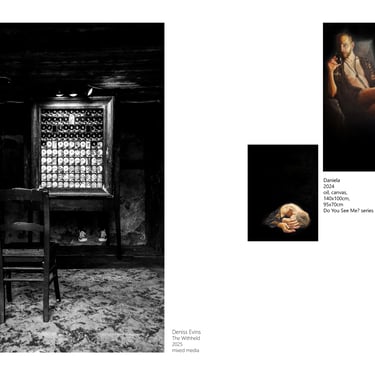
Такую попытку фиксации пространства страшного создали два художника – Зоя Голубева и Денис Эвин. Разнятся их почерки и средства художественного выражения – от цифровых технологий и компьютерных отходов, через зеркальные иллюзии отживших механизмов к чайным грибам-одиночкам Дениса, мечтающим найти способ рассказать о своем одиночестве. Полотна Зои, отсылающие зрителя к классической традиции европейской живописи периода барокко, рассказывают истории отчаяния, одиночества и ужаса внутренней темноты человеческой личности.
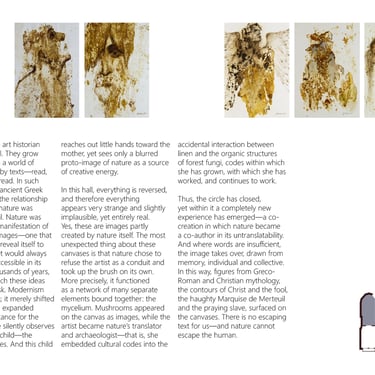
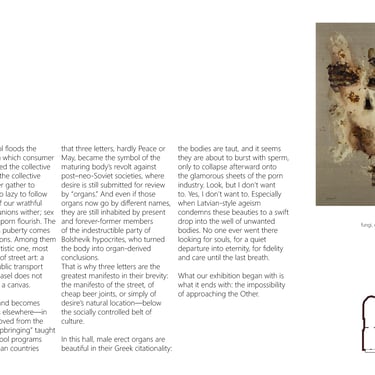
В процессе создания выставки появился еще одна участница – Природа. Ее появление было неожиданным для самих авторов, так как вся история искусства привыкла лишь стремиться к ней, недостижимой и непостижимой, идеальной в своем равнодушии. Но тут, вдруг, без объяснения, Природа превратилась в соавтора, и сама посетила художников, – её композиции, возникшие из органических структур лесных грибов, проявили множество ярчайших образов, почти портретов, на полотнах художницы, которые Зоя позднее расшифровывала, распознавая близкие и забытые сюжеты из своего прошлого.
Работы обоих авторов будут максимально открыты историям зрителей. Выставка приглашает услышать чужие страхи, горечь и попробовать представить – как это, когда тревога отступает… Что открывается нашему взгляду в «освобожденном» пространстве? Мы ли это еще, расставшиеся с собственными ужасами? Мы ли это, подзабывшие как звучит в голове первый вестник подступающей паники?
И в этот момент, по закону жанра современного искусства, сила и слабость которого заключена в выставочном пространстве, появляется куратор. Появляется, осматривается вокруг и, разводя руками, молча, без потока затейливых выражений и буквенного высокомерия, без потертых цитат когда-то модных, но теперь давно нечитанных постмодерных мастеров иллюзионистов, удаляется. На самом деле ему тоже страшно, но он признаёт, что единственное средство против паники – не текст и не разговор, а встреча двух людей – зрителя и автора. Поэтому, вместо никому ненужных шпаргалок для посетителей, он, преодолевая пустоту текста, предложил авторам самого себя вместе со своими страхами, чтобы когда-то вновь начать писать.
Мы договорились, что наша выставка о встрече. Ладонями вверх. С широко закрытыми от страха и удовольствия глазами. Но тут надо помнить, что это и ваша выставка. Не забывайте, вы - со-авторы по умолчанию нашего, казалось бы, такого болтливого, но почему-то почти беззвучного времени.
КАК БУДТО БЫ НАМ НЕЧЕГО БОЯТЬСЯ
Выставочный каталог
Дизайн: Зоя Голубева и Денис Эвин
Тексты: Денис Ханов, Денис Эвин и Зоя Голубева
· EXHIBITION · PRINTING · TEXT ·
Пресса:
Lasi.lv / Latvijas Avīze: Cilvēka ķermeņa emocionālais un empīriskais stāsts (LV)
Latvijas Sabiedriskais medijs: Viņš, viņa un sēnes jeb māksla kā zāles pret bailēm (LV)
Латвийские общественные СМИ: Он, она и грибы: искусство как лекарство от страха (RU)